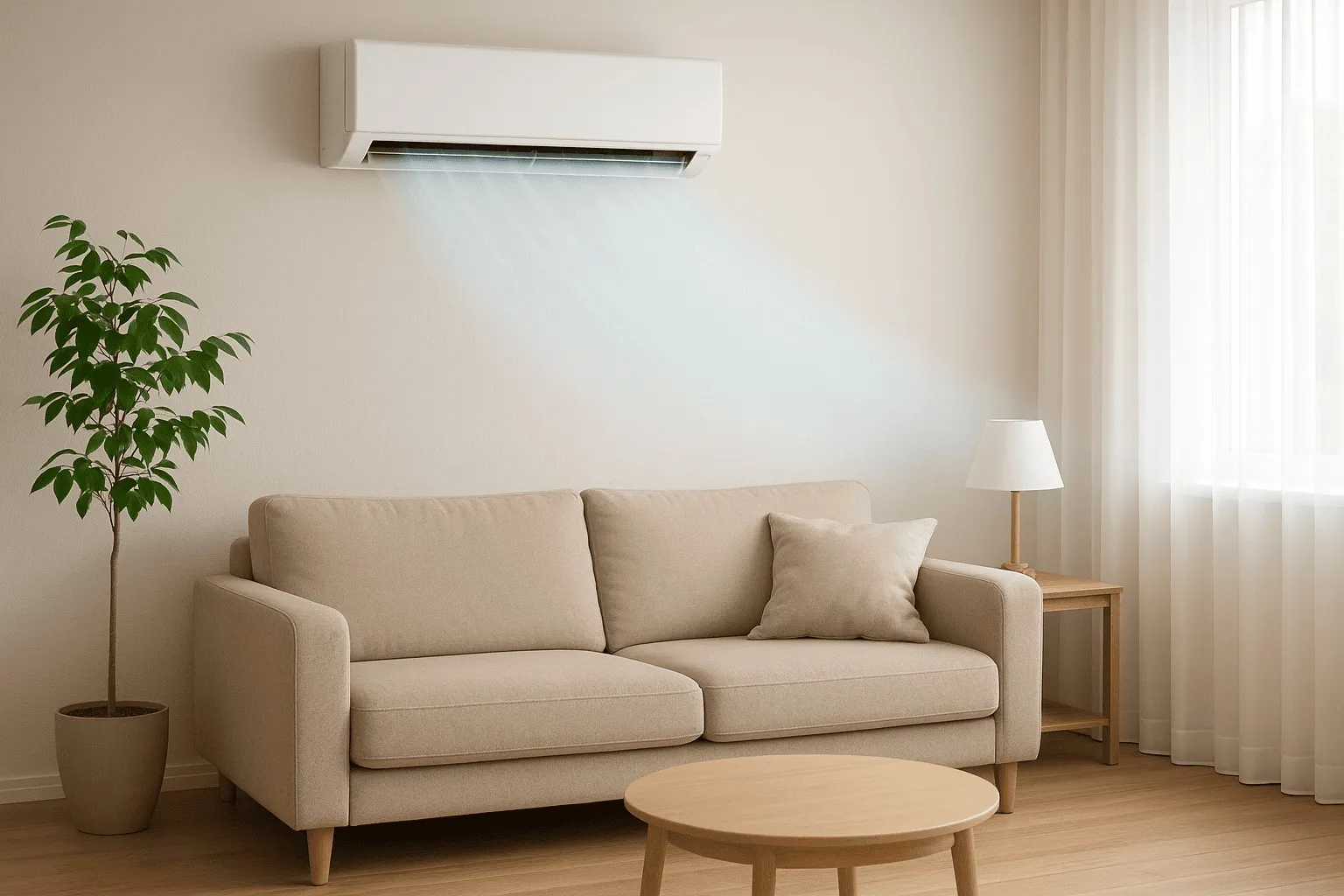
An AC system is one of the most heavily used appliances in homes and commercial buildings, especially during the hot summer months. While many people rely on their AC daily for comfort, they often overlook the importance of regular maintenance. Proper AC maintenance not only improves cooling performance but also extends the lifespan of the unit, reduces energy costs, and helps prevent unexpected breakdowns.
One of the primary reasons to maintain an AC system is to ensure efficient operation. Over time, dust, dirt, and debris can accumulate within the unit’s filters, coils, and vents. When these components become clogged, airflow is restricted, forcing the AC to work harder to cool the space. This increased workload leads to higher energy consumption and reduced performance. Routine maintenance keeps the system clean and allows it to operate at peak efficiency.
Energy efficiency is a major concern for homeowners and business owners alike. An inefficient AC can significantly increase monthly utility bills. Regular inspections and tune-ups help identify issues that may be causing the system to consume more energy than necessary. Cleaning air filters, checking refrigerant levels, and inspecting electrical connections can all contribute to improved energy efficiency and lower operating costs.
Another important benefit of AC maintenance is improved indoor air quality. As air circulates through the system, filters capture dust, allergens, and other airborne particles. When filters become dirty, they lose their effectiveness and may even release contaminants back into the indoor environment. Regular filter replacement and system cleaning help ensure that the AC continues to provide clean, healthy air for occupants.
Preventive maintenance can also reduce the risk of costly repairs. Small issues often develop gradually and may go unnoticed until they cause significant damage. For example, a minor refrigerant leak or worn electrical component can eventually lead to major system failure if left unaddressed. During routine maintenance visits, technicians can identify and repair these problems before they become expensive emergencies.
The lifespan of an AC system is greatly influenced by how well it is maintained. Most modern air conditioning units are designed to last many years, but neglect can shorten their operational life. Components that are forced to work under excessive strain wear out more quickly. Regular maintenance minimizes unnecessary stress on the system and helps homeowners get the maximum value from their investment.
Seasonal AC inspections are especially important before the start of summer. After months of limited use, the system should be checked to ensure it is ready for increased demand. Technicians typically inspect refrigerant levels, test thermostat operation, clean condenser coils, and evaluate overall system performance. These inspections help prevent unexpected failures during periods of extreme heat when cooling is most needed.
Modern AC systems often include advanced technology designed to improve comfort and efficiency. Smart thermostats, zoning systems, and energy-saving features require proper maintenance to function correctly. Regular servicing ensures that all components communicate effectively and continue delivering optimal performance. Keeping these systems in good condition can enhance both convenience and energy savings.
Homeowners can perform some basic AC maintenance tasks themselves. Regularly replacing or cleaning air filters, keeping outdoor units free from debris, and ensuring vents remain unobstructed can improve system performance. However, more complex maintenance procedures should be handled by qualified HVAC professionals who have the tools and expertise necessary to diagnose and repair technical issues safely.
In addition to improving performance, a well-maintained AC system contributes to greater comfort. Consistent temperatures, improved humidity control, and reliable airflow create a more enjoyable indoor environment. Whether at home or in the workplace, a properly functioning AC helps occupants remain comfortable even during the hottest days of the year.
In conclusion, regular AC maintenance is essential for maximizing efficiency, improving air quality, extending equipment lifespan, and preventing costly repairs. Investing in routine care helps ensure that an AC system continues to provide reliable cooling and comfort year after year. By prioritizing maintenance, property owners can protect their investment while enjoying lower energy costs and enhanced indoor comfort.