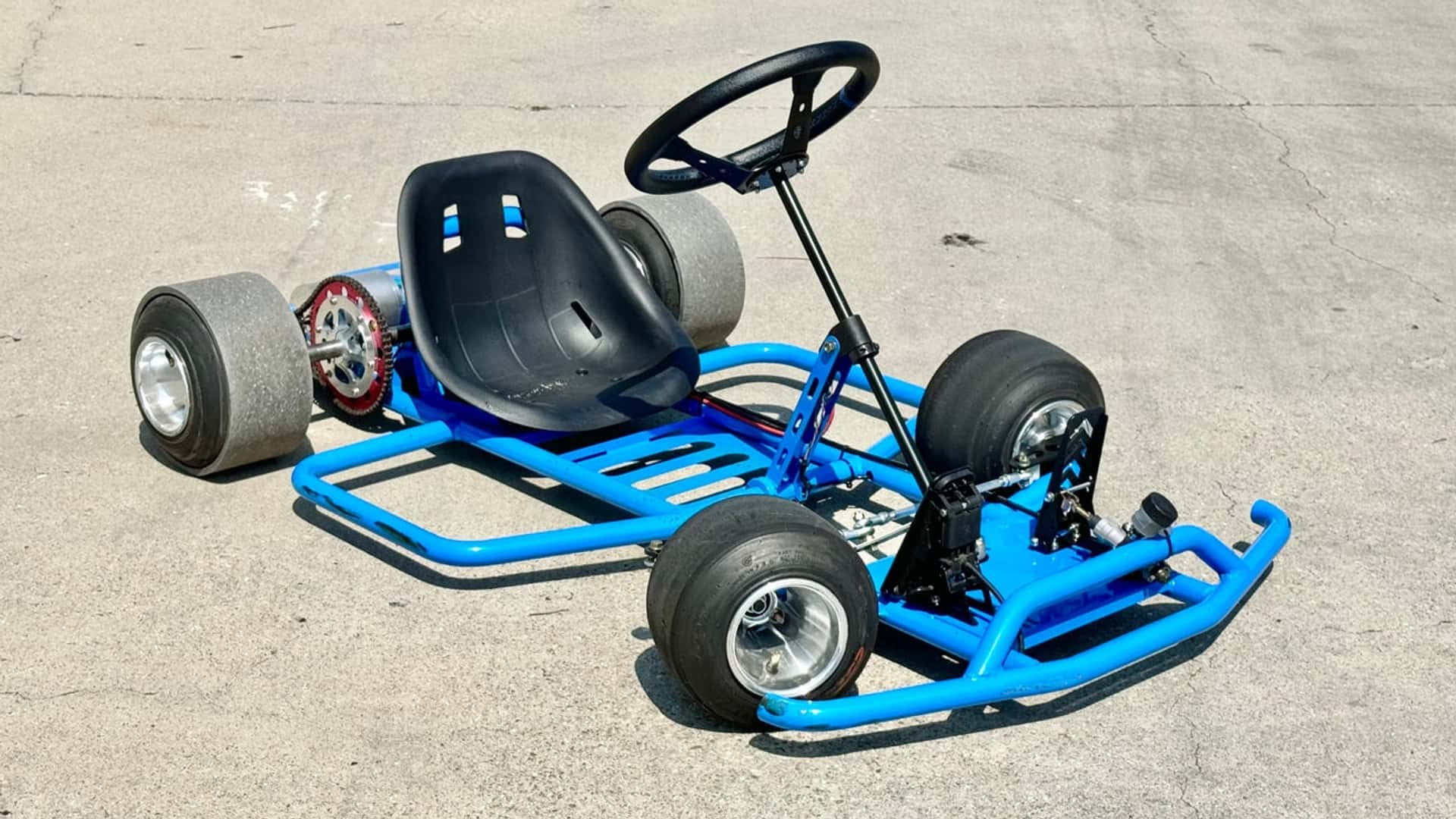
In the realm of motorsports, where speed and precision reign supreme, a unique and exhilarating discipline has been gaining traction: drift karting. Combining the accessibility of karting with the technical skill of drifting, drift karting offers an adrenaline-pumping experience for both participants and spectators alike. This article delves into the fascinating world of drift karting, exploring its origins, the skills required, the equipment used, and its growing popularity.
Origins of Drift Karting
Drift karting, as the name suggests, is a fusion of two motorsports: karting and drifting. Karting, a form of open-wheel motorsport, has been a staple in the racing world for decades, serving as a stepping stone for many professional drivers. Drifting, on the other hand, is a driving technique where the driver intentionally oversteers, causing the rear wheels to lose traction and slide through a turn.
The concept of drift karting emerged as a way to make drifting more accessible and affordable. Traditional drifting requires powerful rear-wheel-drive cars, which can be expensive to purchase and maintain. Drift kart, however, are smaller, lighter, and less costly, making the sport more approachable for enthusiasts.
The Skills Required
Drift karting is not just about speed; it’s about control, precision, and finesse. Drivers must master the art of controlled sliding, maintaining the perfect balance between speed and angle. This requires a deep understanding of vehicle dynamics, weight transfer, and throttle control.
One of the key skills in drift karting is the ability to initiate and maintain a drift. This involves techniques such as the “clutch kick,” where the driver quickly disengages and re-engages the clutch to upset the balance of the kart, and the “handbrake turn,” where the driver uses the handbrake to lock the rear wheels and induce a slide.
Equipment Used
Drift karts are specially designed to facilitate drifting. They typically feature a rear-wheel-drive layout, a limited-slip differential, and a handbrake. The chassis is often reinforced to withstand the stresses of drifting, and the tires are chosen for their ability to break traction easily.
Safety is paramount in drift karting, as with any motorsport. Drivers are required to wear helmets, gloves, and racing suits. The karts are equipped with roll cages and harnesses to protect the driver in the event of a crash.
The Growing Popularity of Drift Karting
Drift karting has been gaining popularity worldwide, thanks to its accessibility and the thrilling experience it offers. It has become a staple in motorsport events, with dedicated drift karting competitions and exhibitions.
One of the reasons for its growing popularity is the sense of community it fosters. Drift karting events often attract a diverse group of participants, from seasoned racers to novices, all united by their passion for the sport. This sense of camaraderie, combined with the adrenaline rush of drifting, makes drift karting a uniquely appealing motorsport.
Moreover, drift karting serves as an excellent training ground for aspiring drifters. The skills and techniques learned in drift karting are directly transferable to full-size drift cars, making it an ideal stepping stone for those looking to progress in the world of drifting.
Conclusion
Drift karting is more than just a motorsport; it’s a testament to the skill, precision, and control that drivers can achieve. It offers an accessible and affordable entry point into the world of drifting, fostering a sense of community and camaraderie among its participants. As its popularity continues to grow, drift karting is poised to become a mainstay in the motorsport world, captivating audiences with its unique blend of speed, skill, and spectacle. Whether you’re a seasoned racer or a novice looking for an adrenaline rush, drift karting offers an experience like no other.