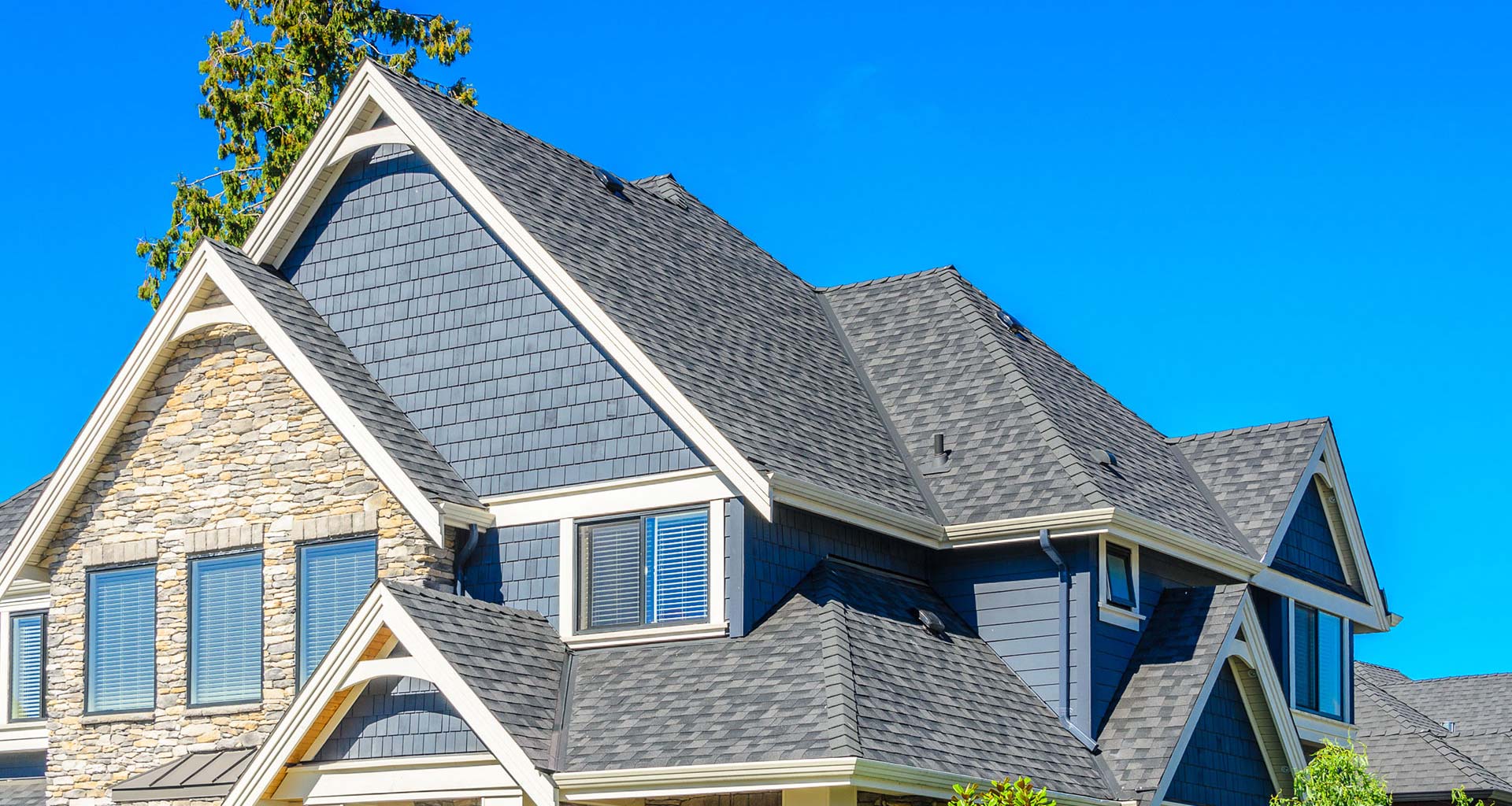
When it comes to protecting your home, your roof is the first line of defense. Whether it’s shielding your family from harsh New England winters or standing strong through summer storms, keeping your roof in top shape is vital. That’s why regular roof inspections are one of the smartest investments homeowners can make.
At Advanced Roofing and Siding, a leading roofing company in Massachusetts, roof inspections are more than just a formality—they’re a proactive way to ensure your home stays secure, dry, and energy-efficient year-round. From roof repair to roof replacement, our team is trained to detect the earliest signs of trouble and address them before they become major headaches.
As our expert puts it:
“Most roof problems start small and go unnoticed until they turn into expensive repairs,” said a representative from Advanced Roofing and Siding. “That’s why we take the time to inspect everything from shingle condition to attic airflow. A thorough inspection helps homeowners prevent damage that could easily cost thousands if left unchecked.”
With that in mind, here are 9 roof inspection tips every homeowner should know—based on years of hands-on experience, technical knowledge, and Massachusetts’ local building codes.
1. Start with a Ground-Level View
Begin your roof inspection by walking around your property and scanning your roof from a distance. Look for missing, curling, or cracked asphalt shingles, debris buildup, or anything that looks out of place. If you notice sagging spots or areas that appear discolored, it could signal water damage or structural integrity issues.
This first glance is also a good opportunity to examine gutters, downspouts, and fascia for signs of rot, separation, or clogging. These elements play a key role in water management and should not be overlooked.
2. Check the Attic for Interior Warning Signs
Often, the earliest signs of roof damage aren’t visible from the outside—they’re hiding in your attic. During your inspection, look for:
- Water stains on rafters or insulation
- Musty smells or mold growth
- Signs of poor attic ventilation (extreme heat or condensation)
- Sunlight shining through the roof boards
These interior red flags could point to active leaks, flashing issues, or inadequate ventilation—all of which can shorten your roofing lifespan and raise your utility bills.
3. Examine Flashing and Roof Penetrations
Flashing refers to the thin metal strips that seal edges, valleys, and areas around roof penetrations like chimneys, vents, or skylights. Damaged or corroded flashing is one of the most common causes of roof leaks.
During your inspection, check that the flashing is intact, properly sealed, and not pulling away from the surface. Look for rust, cracks, or any signs of water infiltration. These spots should be repaired immediately to prevent deeper structural problems.
4. Inspect Shingle Health and Granule Loss
Your shingles are your roof’s first defense against rain, wind, and UV rays. If you spot bald patches, curling edges, or loose tiles, it may be time for roof repair or even a full roof replacement.
Another indicator of shingle health is granule loss. These tiny, sand-like particles protect the surface of asphalt shingles. If you notice granules accumulating in your gutters or around the base of your downspouts, your shingles may be wearing out prematurely.
5. Evaluate for Storm Damage
Massachusetts weather is unpredictable, and seasonal storms can wreak havoc on even the sturdiest roofs. After a heavy storm, it’s wise to conduct a quick inspection or schedule a professional storm damage repair evaluation.
Look for:
- Impact marks from hail
- Debris dents or scratches
- Wind-lifted shingles
- Bent or broken flashing
These types of damages can compromise your roof’s water resistance and escalate quickly if not addressed.
6. Pay Attention to Gutter Function and Water Flow
Gutters and downspouts are essential to guiding water off your roof and away from your foundation. During an inspection, make sure they’re securely attached, not sagging, and free of blockages.
Improper drainage can lead to ice dam risks during winter and standing water during rainy months—both of which can seep under shingles and damage the decking underneath.
7. Know the Signs of Age and Wear
Even the best roofs don’t last forever. Depending on the materials used, your roof may be due for replacement after 20–30 years (for asphalt shingles) or up to 50 years for metal roofing. But lifespan isn’t the only indicator.
Common signs of aging include:
- Moss or algae growth
- General discoloration
- Multiple repairs in a short time
- Brittle or cracking shingles
Knowing when to invest in a roof replacement can save you from emergency repairs and costly home damage.
8. Understand the Importance of Ventilation
Proper attic ventilation is crucial for regulating temperature and moisture. Poor airflow can lead to mold, increased energy bills, and even damage to your roof’s structure from trapped heat or condensation.
Check that soffit vents and ridge vents are unobstructed. This is especially important in the winter when poor ventilation combined with roof heat can lead to dangerous ice dams.
9. Hire a Licensed Roofing Contractor for a Professional Inspection
While DIY inspections can help identify obvious issues, a professional roofing contractor license ensures a higher level of expertise. At Advanced Roofing and Siding, we perform comprehensive roof evaluations that include:
- A detailed roof inspection checklist
- Structural and material assessments
- Moisture detection tools
- Verification of local building codes compliance
- Recommendations for residential roofing and commercial roofing maintenance
We’re also a GAF-certified installer, which guarantees our clients benefit from high-quality materials and installation backed by strong manufacturer warranties.
Final Thoughts
Your roof is a silent guardian, protecting your most valuable investment—your home. Staying ahead of problems with regular inspections and maintenance is the key to avoiding costly surprises. Whether it’s spotting a hidden leak, replacing aging shingles, or upgrading with durable metal roofing, a proactive approach is your best defense.
For homeowners across Massachusetts, Advanced Roofing and Siding stands ready to help. From siding installation to emergency roof repair, we bring decades of experience, premium materials, and a reputation for reliability to every job we take on.
If you’re unsure about your roof’s condition or haven’t scheduled a professional inspection recently, don’t wait. Contact your trusted roofing company today and ensure your roof is ready to weather whatever comes next.