Imagine building a film scene by scene without knowing the storyline. You might have great visuals, brilliant dialogue, and compelling characters—but without a narrative arc, everything feels disconnected. This is what happens when product teams develop features without a coherent structure. User story mapping transforms that chaos into clarity, helping teams see the product not as isolated tasks but as a living, evolving story. It creates a visual flow—a storyboard of user experiences—that brings focus and order to the backlog.
From Fragments to Flow: The Power of Story Mapping
User story mapping begins with understanding the human journey through a product. Instead of stacking features in a flat list, it visualises how users progress from one goal to another. This approach is much like arranging scenes in a movie where each moment contributes to the overall plot.
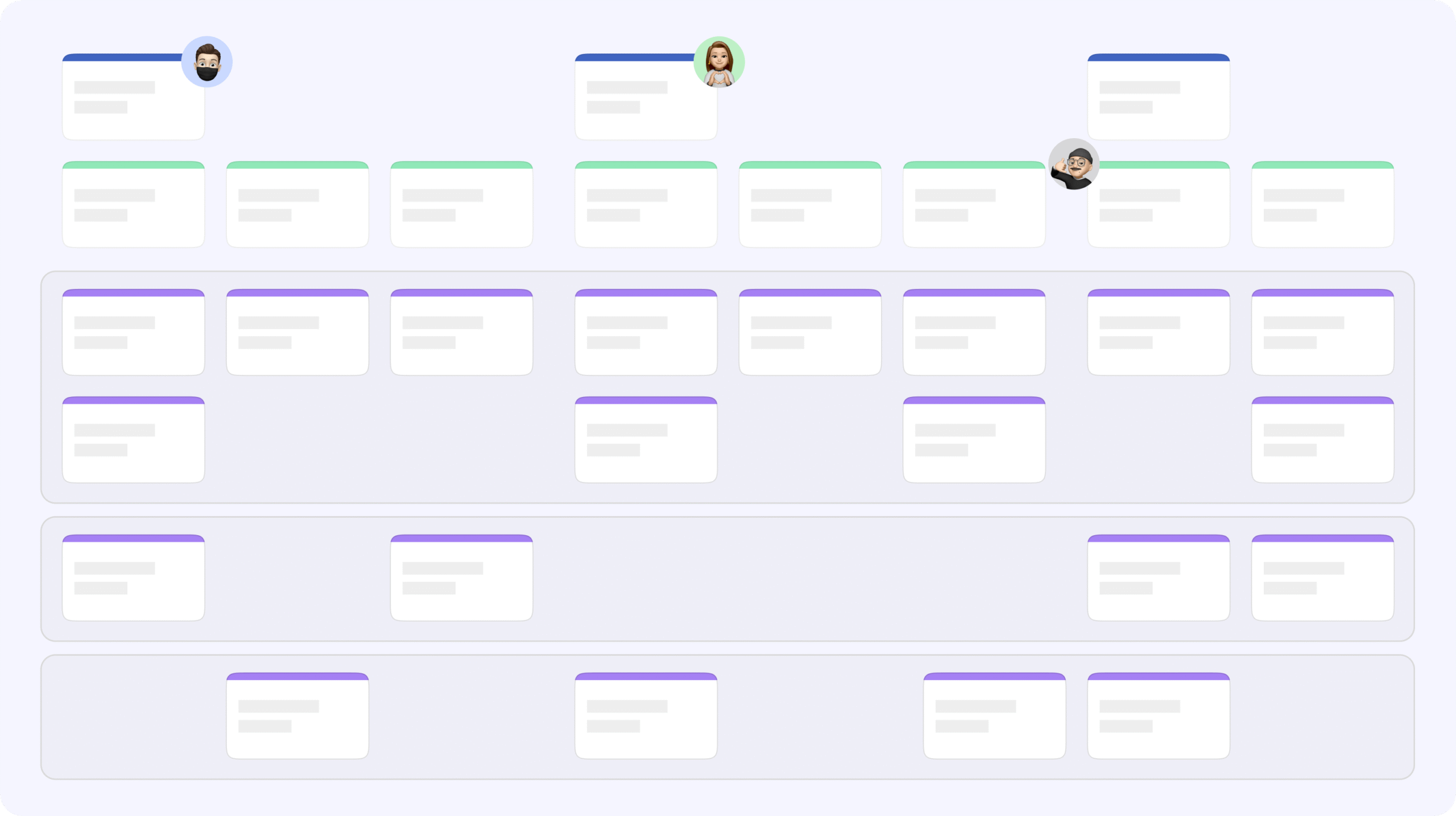
A good story map starts with the “backbone”—the main activities users perform. Beneath each activity, you outline the smaller actions that bring it to life. The result is a horizontal flow of events, guiding the team to see dependencies, priorities, and opportunities for innovation. For anyone enrolled in business analyst classes in chennai, mastering this technique is essential, as it connects abstract requirements to tangible user outcomes.
The Narrative Structure of Product Development
In traditional backlogs, tasks are often written as isolated tickets—mechanical, disconnected, and purely functional. Story mapping injects empathy back into the process. It starts with identifying the protagonist (the user) and follows their emotional and practical journey.
Teams map out “epics” as chapters and “user stories” as scenes. This narrative lens helps everyone understand why a feature exists, not just what it does. For instance, rather than focusing on “adding a payment button,” teams focus on “helping users feel secure and confident during checkout.” It’s this emotional thread that aligns design, development, and business strategy into one cohesive vision.
Visualising the Roadmap Through Collaboration
A story map isn’t a static document; it’s a shared workspace. Teams gather around a wall, a whiteboard, or a digital board filled with sticky notes. Each note represents a story or feature, moved around to represent flow and priority. This visual engagement encourages cross-functional collaboration—designers, developers, and stakeholders see the same landscape and can discuss trade-offs and dependencies in real time.
Story mapping also supports agile planning. By breaking down the story horizontally (across the journey) and vertically (by priority), teams can plan releases incrementally. The first version focuses on the most critical actions—the “minimum viable story”—and subsequent versions build upon it.
Aligning Stakeholders and Managing Expectations
Stakeholders often think in terms of outcomes: what will users get and when. A traditional backlog hides that vision under layers of technical detail. Story mapping surfaces it, making it easier to discuss trade-offs and release priorities.
This clarity helps manage expectations and prevents the frustration of scope creep. By visualising what’s essential versus what’s optional, teams can negotiate changes without losing sight of the bigger picture. It’s a visual contract that keeps everyone aligned with the product’s purpose and timeline.
Building a Culture of Empathy and Adaptability
Story mapping also reshapes team culture. Instead of seeing backlog items as deliverables, teams start viewing them as user moments. This subtle shift fosters empathy and adaptability—two qualities that define successful product teams.
As projects evolve, the story map evolves too. New insights, user feedback, and data-driven changes can be integrated without losing the overall context. This adaptability ensures that the product narrative remains consistent even as the market or technology shifts.
For professionals exploring business analyst classes in chennai, understanding story mapping cultivates not just analytical precision but emotional intelligence—a balance of structure and storytelling that drives impactful product decisions.
Conclusion
User story mapping is more than an agile technique; it’s a mindset shift from managing features to curating experiences. By transforming a flat backlog into a dynamic narrative, teams can visualise how every feature contributes to the user’s journey. It bridges creativity and structure, empathy and execution.
Just as a great film resonates because every scene connects to the story’s core, a great product emerges when every feature contributes meaningfully to the user’s experience. In the world of agile and product management, story mapping isn’t just about organising tasks—it’s about telling the right story, one release at a time.