Unlocking the Secrets to Turning Your Gaming Passion into a Lucrative Career
In the digital age, video gaming has evolved far beyond a simple pastime. What was once confined to dimly lit basements and late-night sessions with friends has blossomed into a multi-billion-dollar industry known as esports. Professional gamers now compete on global stages, earning fame, fortune, and sponsorships that rival traditional athletes. This article delves into the fascinating world of pro gaming, exploring its history, the skills required, training regimens, popular titles, financial opportunities, challenges, and essential resources for aspiring pros. Whether you’re a casual player dreaming of the big leagues or a seasoned veteran honing your craft, understanding this ecosystem is key to success.
The origins of professional video gaming trace back to the 1970s and 1980s, when arcade games like Space Invaders and Pac-Man captivated audiences. Early tournaments, such as the 1980 Space Invaders Championship hosted by Atari, drew thousands of participants and offered modest prizes. However, it wasn’t until the 1990s that competitive gaming began to gain traction with the rise of PC and console games. Titles like Doom and Quake introduced multiplayer deathmatches, fostering online communities and informal competitions.
The turning point came in the early 2000s with the establishment of major leagues. South Korea led the charge, where StarCraft became a national phenomenon, broadcasted on television and attracting massive viewership. Organizations like the Korean e-Sports Association (KeSPA) professionalized the scene, providing structured tournaments and player contracts. Meanwhile, in the West, events like the Cyberathlete Professional League (CPL) showcased games such as Counter-Strike, drawing international talent.
By the 2010s, esports exploded globally. Streaming platforms like Twitch revolutionized accessibility, allowing anyone with an internet connection to watch pros in action or broadcast their own gameplay. Games like League of Legends (LoL) and Dota 2 hosted world championships with prize pools exceeding $40 million. The International, Dota 2’s premier event, consistently breaks records for the largest esports payouts, funded largely through crowdfunding via in-game purchases.
Today, esports is a legitimate career path. According to industry reports, the global esports market is projected to surpass $2 billion in revenue by 2025, driven by sponsorships, merchandise, and media rights. Major brands like Red Bull, Intel, and Coca-Cola invest heavily, recognizing the demographic appeal of young, tech-savvy audiences. Professional teams, akin to sports franchises, scout talent, offer salaries, and provide training facilities. Cities like Los Angeles and Shanghai host dedicated esports arenas, where fans cheer for their favorites in sold-out events.
Becoming a pro gamer requires more than just raw talent; it demands a unique blend of skills. Hand-eye coordination and reaction time are foundational, often measured in milliseconds during high-stakes matches. Cognitive abilities, such as strategic thinking and decision-making under pressure, separate the elite from the average. In real-time strategy games like StarCraft II, players must manage resources, build armies, and outmaneuver opponents simultaneously.
Communication is crucial in team-based games. Titles like Overwatch or Valorant rely on seamless coordination, where calling out enemy positions or planning attacks can mean victory or defeat. Mental resilience is equally important; pros endure grueling schedules, jet lag from international travel, and the psychological toll of losses. Many incorporate mindfulness techniques or work with sports psychologists to maintain peak performance.
Physical fitness plays an underrated role. Contrary to stereotypes, pro gamers aren’t sedentary slouches. Extended play sessions can lead to repetitive strain injuries, so routines include exercises for posture, wrist flexibility, and overall endurance. Nutrition and sleep are optimized, with some teams employing dietitians to ensure balanced meals that sustain focus during marathons.
Training for pro gaming mirrors that of traditional sports. Aspiring pros dedicate 8-12 hours daily to practice, divided into scrimmages (practice matches against other teams), solo drills, and video reviews. Tools like replay analysis software help dissect mistakes and refine strategies. Custom setups, including high-refresh-rate monitors, mechanical keyboards, and ergonomic chairs, enhance performance.
Coaching is invaluable. Many pros hire mentors or join academies that simulate competitive environments. For instance, organizations like Team Liquid run boot camps where recruits live together, fostering teamwork and discipline. Streaming and content creation add another layer; building a personal brand on platforms like YouTube or Twitch can attract scouts and sponsors.
The esports landscape is dominated by a handful of powerhouse games. League of Legends, developed by Riot Games, boasts over 100 million monthly players and annual World Championships viewed by hundreds of millions. Its meta—constantly evolving strategies—keeps the scene fresh.
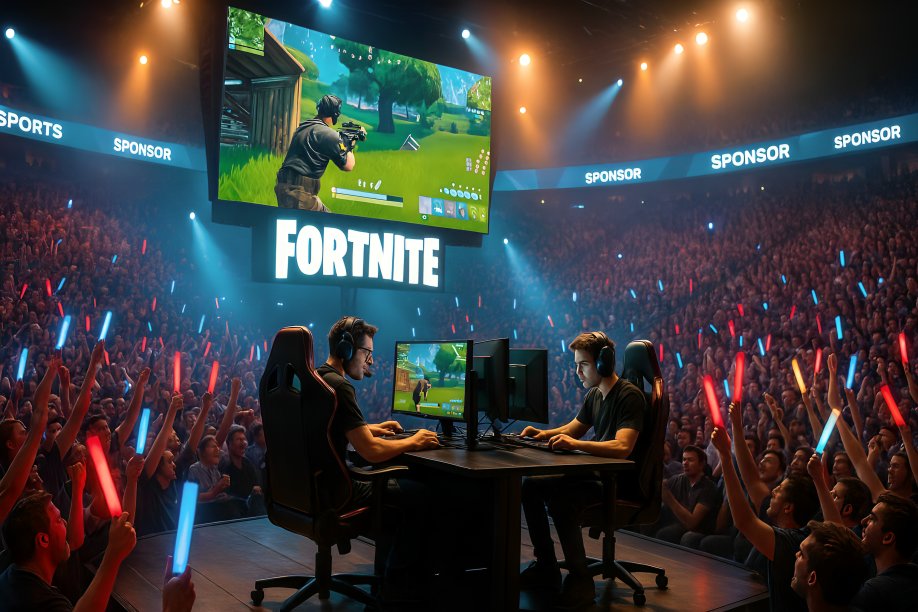
Fortnite, with its battle royale format, appeals to a younger audience through creative building mechanics and crossover events with pop culture icons. Call of Duty’s franchise leagues, modeled after the NBA, feature city-based teams and massive buy-ins from investors.
Mobile gaming is surging, especially in Asia. Games like PUBG Mobile and Mobile Legends offer accessible entry points, with tournaments drawing huge crowds. Emerging titles like Genshin Impact blend RPG elements with competitive modes, expanding the genre.
Financially, pro gaming can be rewarding but volatile. Top earners like Johan “N0tail” Sundstein from Dota 2 have amassed over $7 million in prizes alone. Average salaries range from $50,000 to $200,000 annually, supplemented by endorsements and streaming revenue. Twitch streamers with large followings earn through subscriptions, donations, and ads.
Sponsorships are the lifeblood. Brands provide gear, energy drinks, or even vehicles in exchange for visibility. However, only a fraction reach the top; most pros supplement income with coaching or content creation. The industry’s youth means retirement comes early, often in the mid-20s, prompting many to transition into casting, management, or game development.
Challenges abound in this glamorous world. Burnout is rampant due to relentless schedules and performance pressure. Toxicity in online communities, including harassment and cheating scandals, tarnishes reputations. Gender disparity persists; while female pros like Sasha “Scarlett” Hostyn excel in StarCraft, women face barriers in male-dominated teams.
Health issues, from eye strain to carpal tunnel, necessitate proactive care. The lack of unions in some regions leaves players vulnerable to exploitative contracts. Moreover, the industry’s reliance on game publishers means shifts in popularity can derail careers overnight.
Navigating these hurdles requires community support. Online forums, Discord servers, and dedicated websites offer advice and networking. One such resource is videogamingpros.com, a comprehensive platform for gamers seeking pro-level insights. It features tutorials, gear reviews, and forums where enthusiasts connect with veterans, making it an essential hub for those serious about elevating their game.
Aspiring pros should start by mastering one game, participating in amateur tournaments on platforms like ESL Play or Faceit. Building a portfolio of highlights and engaging on social media attracts attention. Education in related fields, like computer science or marketing, provides fallback options.
The future of pro gaming looks bright. Integration with virtual reality and augmented reality promises immersive experiences. Mainstream acceptance grows, with esports in schools and potential Olympic inclusion. Blockchain and NFTs introduce new monetization, though with controversy.
In conclusion, professional video gaming represents the pinnacle of digital entertainment, blending skill, strategy, and spectacle. From humble arcade beginnings to stadium-filling spectacles, it offers unparalleled opportunities for those willing to invest the effort. By honing skills, embracing training, and leveraging resources like videogamingpros.com, anyone can chase the dream. The controller is in your hands—will you level up?