Imagine a bustling restaurant during peak hours. Orders are coming in fast, and the chef can’t afford to run to the pantry every time a dish needs salt or spices. Instead, the most frequently used ingredients are kept within arm’s reach, speeding up preparation without compromising flavour.
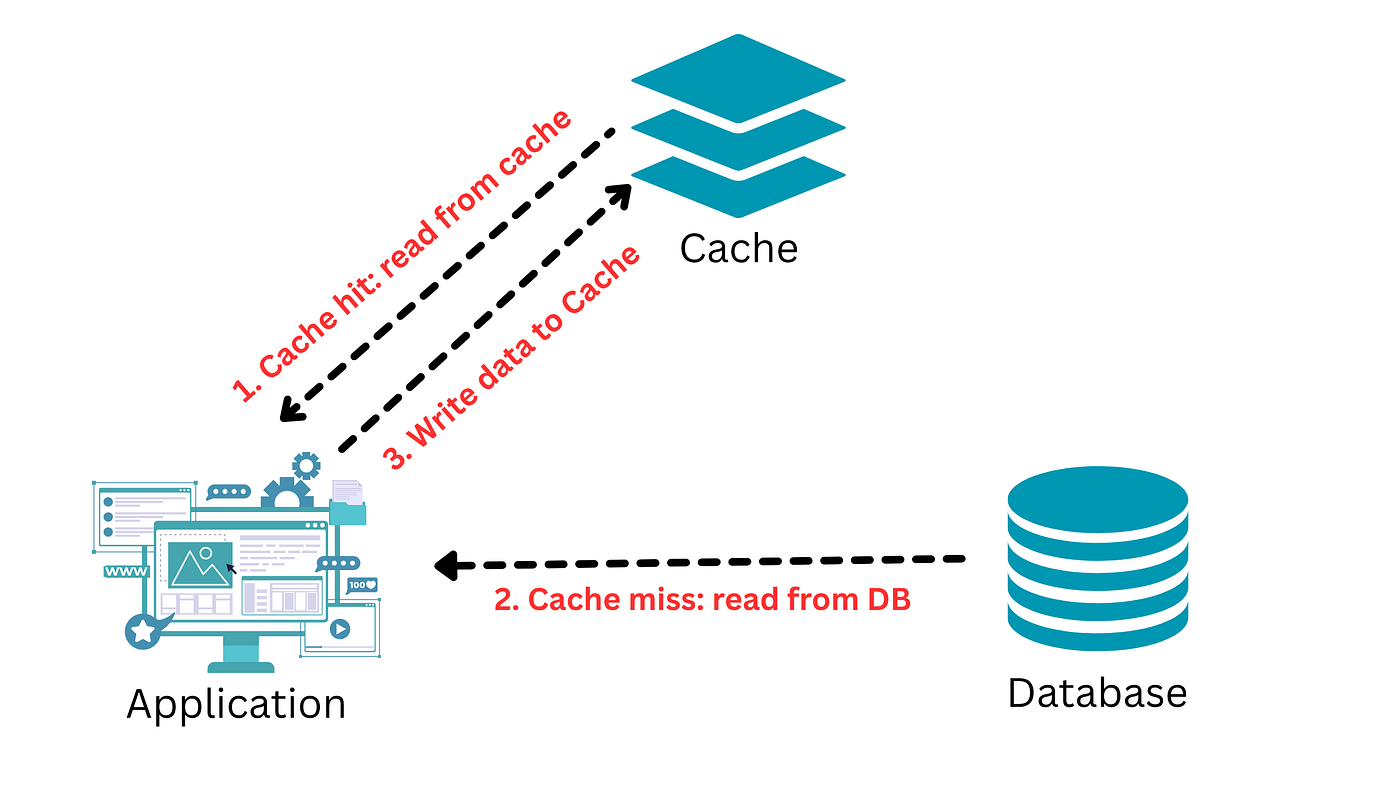
In the digital world, caching works the same way. Rather than pulling data from a database every single time, applications store frequently used information in memory, ready to be served in an instant. Two of the most popular tools for this job—Redis and Memcached—have become the “spice racks” of modern applications.
The Need for Speed in Modern Applications
Today’s users expect immediacy. A website that takes even a few extra seconds to load risks losing visitors. Databases, while powerful, are not always built for real-time responsiveness, especially when dealing with massive amounts of traffic.
Caching strategies act as accelerators, storing data closer to the application. By reducing the trips back to the database, systems gain both speed and efficiency. This not only improves user experience but also reduces strain on backend infrastructure.
For students learning through full stack developer classes, caching is often introduced as one of the foundational ways to boost performance in real-world applications. It’s the behind-the-scenes tactic that turns sluggish systems into responsive ones.
Redis: The Multi-Tool of Caching
Redis is often compared to a Swiss Army knife. While it excels at caching, its true strength lies in versatility. Beyond simple key-value storage, Redis supports advanced data types—lists, sets, hashes, and even geospatial indexes.
This makes Redis suitable not only for caching but also for session storage, message brokering, and leaderboard tracking in gaming applications. Its in-memory design ensures lightning-fast operations, while persistence options allow data to survive restarts.
The flexibility of Redis makes it a go-to for developers who need more than a simple cache. It offers speed, reliability, and a rich toolkit for solving complex problems.
Memcached: The Lightweight Sprinter
If Redis is the Swiss Army knife, Memcached is the sprinter—built for raw speed and simplicity. It focuses on one thing: storing and retrieving data quickly. With its lightweight design, Memcached handles massive loads of traffic efficiently, making it ideal for scenarios where simplicity and performance matter more than advanced features.
Popular among content-heavy platforms, Memcached is often used to store rendered web pages, API responses, or session data. It doesn’t have Redis’s extra features, but what it does, it does exceptionally well—fast, straightforward caching.
For aspiring developers in full stack developer classes, Memcached provides a perfect introduction to caching. Its simplicity allows beginners to grasp the core principles before moving on to more complex tools like Redis.
Choosing the Right Strategy
The decision between Redis and Memcached often depends on project needs. If you require simple, lightning-fast caching for ephemeral data, Memcached is the clear winner. But if you need persistence, complex data structures, or multi-purpose use cases, Redis is the more versatile choice.
Both tools can also complement one another. Some architectures use Memcached for high-volume, short-lived caching, while Redis manages stateful operations that require durability. This hybrid approach ensures that applications remain both efficient and resilient.
Conclusion
Database caching is less about replacing databases and more about designing smarter ways to serve information. Redis and Memcached, though different in scope and design, each provide critical value in building high-performing applications.
Like a chef with ingredients at hand, developers who master caching strategies can deliver speed, consistency, and scalability under pressure. Whether choosing the agility of Memcached or the versatility of Redis, the key lies in matching the tool to the task.
In the fast-paced digital world, caching isn’t just an optimization—it’s an essential ingredient in the recipe for success.