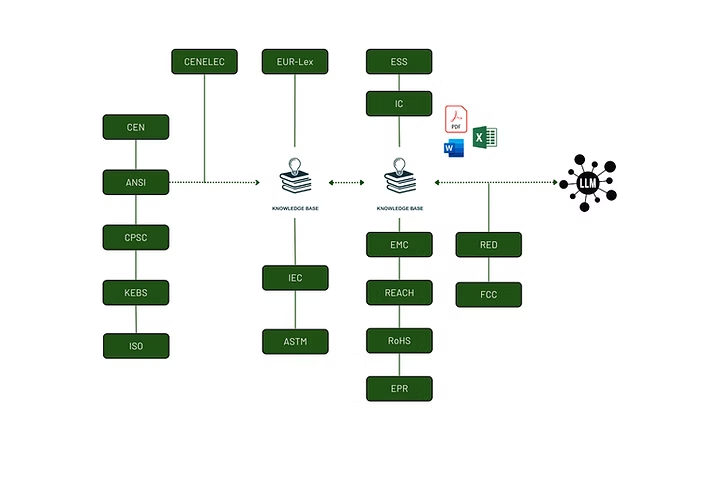
In today’s manufacturing landscape, environmental responsibility has become a critical focus. Manufacturers are under increasing pressure to adhere to stringent environmental regulations, reduce their carbon footprint, and demonstrate sustainability efforts to consumers and stakeholders. An eco compliance platform for manufacturers serves as a pivotal tool in achieving these objectives. This article delves into the significance of such platforms, their benefits, and how they can transform environmental compliance from a regulatory obligation into a strategic advantage.
Understanding Eco Compliance Platforms
An eco-compliance platform is a digital solution designed to assist manufacturers in managing and adhering to environmental regulations and standards. These platforms centralize compliance data, automate reporting processes, and provide real-time monitoring of environmental performance. By integrating various compliance requirements into a single interface, manufacturers can streamline their operations and ensure consistent adherence to environmental laws.
The Importance of Environmental Compliance in Manufacturing
Manufacturing processes often involve significant resource consumption and emissions, making the industry a focal point for environmental scrutiny. Non-compliance with environmental regulations can lead to severe penalties, legal challenges, and reputational damage. Conversely, proactive compliance not only mitigates these risks but also enhances operational efficiency, reduces waste, and fosters a positive public image.
Key Features of Eco Compliance Platforms
Modern eco compliance platforms offer a suite of features tailored to the needs of manufacturers. These include:
- Real-Time Monitoring and Reporting: Continuous tracking of environmental metrics such as energy consumption, water usage, and emissions allows manufacturers to identify areas for improvement promptly.
- Automated Documentation: The platform automates the generation of compliance reports, ensuring accuracy and saving valuable time.
- Regulatory Updates: Manufacturers receive timely updates on changes in environmental regulations, enabling them to adapt swiftly and maintain compliance.
- Audit Trails: Detailed logs of compliance activities provide transparency and facilitate internal and external audits.
- Integration Capabilities: The platform can integrate with existing enterprise resource planning (ERP) systems, ensuring seamless data flow across the organization.
Benefits of Implementing an Eco Compliance Platform
Adopting an eco-compliance platform offers numerous advantages to manufacturers:
- Enhanced Efficiency: Automation of compliance tasks reduces manual effort, allowing employees to focus on core business activities.
- Risk Mitigation: By staying abreast of regulatory changes and maintaining accurate records, manufacturers can avoid legal penalties and operational disruptions.
- Cost Savings: Identifying inefficiencies in resource usage can lead to significant cost reductions in energy and water consumption.
- Improved Reputation: Demonstrating a commitment to environmental stewardship can enhance a company’s brand image and appeal to eco-conscious consumers.
- Data-Driven Decision Making: Access to comprehensive environmental data enables informed decision-making and continuous improvement in sustainability practices.
Industry Adoption and Case Studies
Several industries have successfully implemented eco compliance platforms to bolster their environmental initiatives. For instance, the chemical manufacturing sector has benefited from platforms that provide step-by-step compliance guides, pollution control solutions, and access to government subsidies. These platforms have simplified complex regulatory requirements, making it easier for small and medium-sized enterprises to comply with environmental norms.
In the fashion industry, platforms like Renoon offer automated tools to navigate compliance complexities, ensuring brands align with the latest regulations and standards. Such platforms help businesses adapt to new sustainability regulations, including eco-design and environmental labeling, thereby reducing administrative burdens and enhancing compliance accuracy.
Future Trends in Eco Compliance Platforms
The evolution of eco compliance platforms is closely tied to advancements in technology. Emerging trends include:
- Artificial Intelligence (AI): AI can analyze vast amounts of environmental data to predict compliance risks, optimize resource allocation, and suggest improvements.
- Blockchain Technology: Blockchain offers secure, transparent, and tamper-proof record-keeping, enhancing the credibility of compliance reporting.
- Cloud Computing: Cloud-based platforms provide scalability, remote access, and real-time updates, facilitating global compliance management.
- Integration with Internet of Things (IoT): IoT devices can provide real-time data on environmental parameters, feeding directly into compliance platforms for immediate analysis and action.
Overcoming Challenges in Implementation
While the benefits of eco compliance platforms are clear, manufacturers may face challenges in their implementation. These challenges include:
- Integration with Existing Systems: Ensuring compatibility with current ERP and management systems can be complex.
- Employee Training: Adequate training is essential to ensure that staff can effectively use the platform.
- Data Privacy Concerns: Manufacturers must ensure that the platform complies with data protection regulations and safeguards sensitive information.
- Cost of Implementation: Initial setup costs can be a barrier, especially for small and medium-sized enterprises.
To address these challenges, manufacturers should select platforms that offer user-friendly interfaces, robust support services, and scalable solutions that can grow with their business needs.
Conclusion
An eco compliance platform for manufacturers is more than just a tool for regulatory adherence; it is a strategic asset that can drive operational efficiency, reduce costs, and enhance a company’s reputation. By embracing such platforms, manufacturers can navigate the complexities of environmental regulations with ease, turning compliance into a competitive advantage in the global marketplace. As environmental concerns continue to rise, the adoption of eco compliance platforms will play a crucial role in shaping a sustainable future for the manufacturing industry.