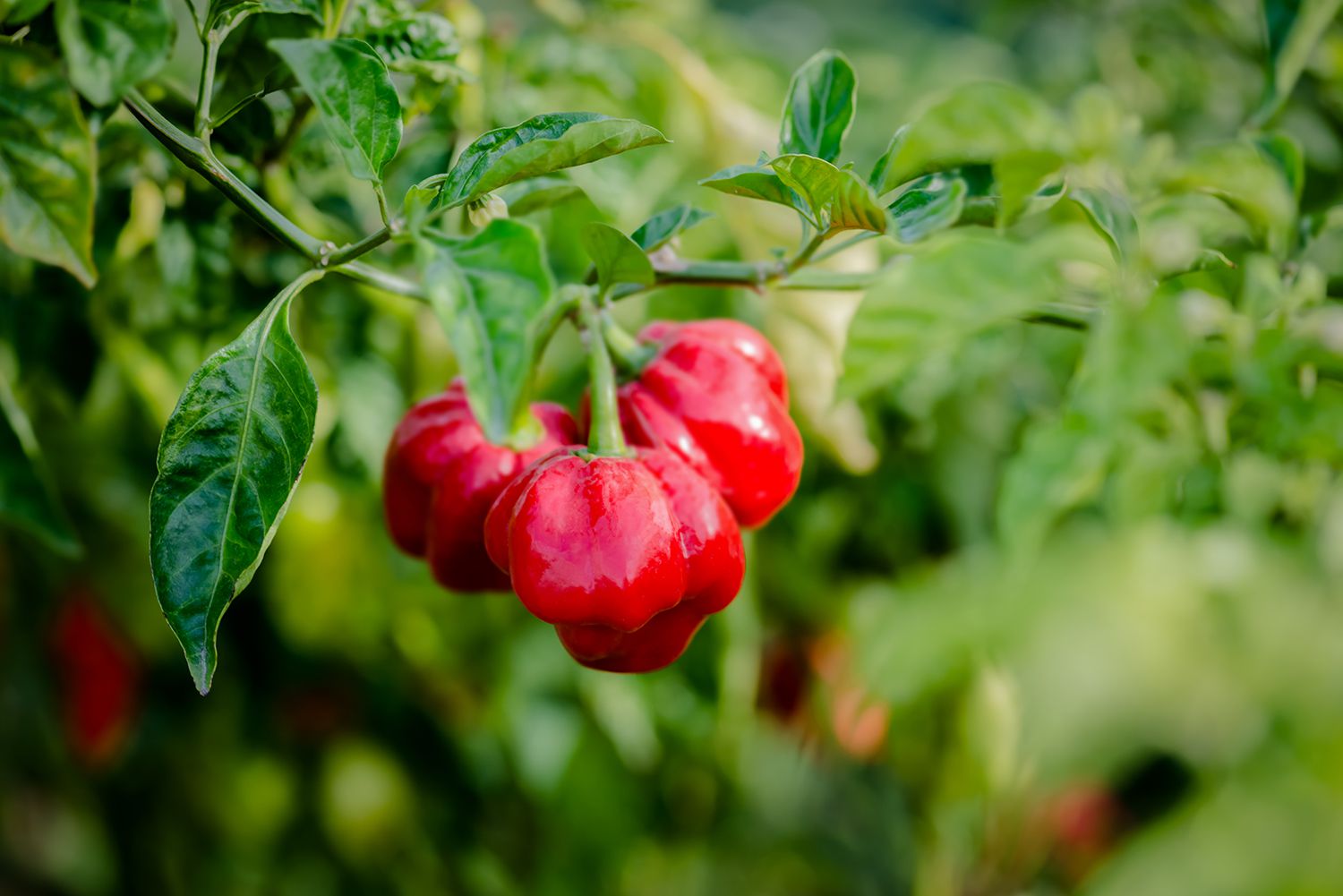
The Scotch Bonnet Pepper is one of the most iconic chili peppers in the world, known for its intense heat and fruity flavor. Named for its resemblance to a Scottish tam o’ shanter hat, this pepper is a staple in Caribbean, African, and Latin American cuisines. Whether you’re a heat seeker or a culinary enthusiast, understanding the Scotch Bonnet Pepper can elevate your cooking and appreciation for spicy foods.
Origins and Characteristics
The Scotch Bonnet Pepper (Capsicum chinense) originates from the Caribbean, particularly Jamaica, where it is a key ingredient in many traditional dishes. It belongs to the same species as the habanero pepper but is often slightly sweeter and fruitier in taste. The pepper typically measures between 100,000 to 350,000 Scoville Heat Units (SHU), making it one of the hottest chili peppers in the world.
Visually, the Scotch Bonnet Pepper is small, about 1.5 to 2.5 inches in diameter, with a wrinkled surface and vibrant colors ranging from bright red and orange to yellow and even chocolate brown when fully ripe. Its unique shape and intense heat make it easily distinguishable from other peppers.
Culinary Uses
The Scotch Bonnet Pepper is a cornerstone of Caribbean cuisine, adding both heat and depth to dishes. In Jamaican cooking, it’s a crucial component of jerk seasoning, giving jerk chicken and pork their signature fiery kick. It’s also used in hot sauces, stews, and soups like the famous Jamaican pepper pot soup.
Beyond the Caribbean, the Scotch Bonnet Pepper has found its way into African and Latin American dishes. In West Africa, it’s used in spicy soups and sauces, while in Mexico, it’s sometimes incorporated into salsas for an extra punch. Chefs around the world appreciate its ability to deliver both heat and flavor without overwhelming the dish when used in moderation.
Health Benefits
Despite its fiery reputation, the Scotch Bonnet Pepper offers several health benefits. Like other chili peppers, it contains capsaicin, a compound known for its pain-relieving and anti-inflammatory properties. Capsaicin is also linked to boosting metabolism, which may aid in weight loss.
Additionally, the Scotch Bonnet Pepper is rich in vitamins A and C, essential for immune function and skin health. It also contains antioxidants that help combat free radicals in the body, reducing the risk of chronic diseases. However, due to its extreme heat, it should be consumed in moderation, especially by those unaccustomed to spicy foods.
Growing Scotch Bonnet Peppers
For those interested in cultivating their own Scotch Bonnet Peppers, the process requires warm temperatures and plenty of sunlight. These peppers thrive in tropical and subtropical climates but can also be grown in greenhouses or indoors in cooler regions.
Planting should begin in early spring, with seeds sown in well-draining soil. The plants need consistent watering but should not be overwatered, as this can lead to root rot. With proper care, the Scotch Bonnet Pepper plant will produce fruit in about 90 to 120 days. Harvesting should be done when the peppers are fully colored and firm to the touch.
Handling and Safety Tips
Due to its extreme heat, handling Scotch Bonnet Peppers requires caution. It’s advisable to wear gloves when cutting or deseeding the peppers to avoid skin irritation or accidental contact with the eyes. Washing hands thoroughly after handling is essential.
When cooking with Scotch Bonnet Peppers, start with a small amount and adjust to taste. Removing the seeds and membranes can reduce the heat level slightly, but the pepper will still pack a punch. For those sensitive to spice, pairing it with dairy products like yogurt or cheese can help mitigate the burn.
Popular Scotch Bonnet Pepper Varieties
There are several varieties of Scotch Bonnet Peppers, each with slight differences in heat and flavor. The most common include the red Scotch bonnet, which is the standard variety, and the yellow Scotch bonnet, which tends to be slightly sweeter. The chocolate Scotch bonnet, with its deep brown hue, offers a smoky undertone, making it a favorite for barbecue sauces and rubs.
Each variety brings its own unique profile to dishes, allowing chefs and home cooks to experiment with different flavors and heat levels.
Scotch Bonnet Pepper in Global Cuisine
The influence of the Scotch Bonnet Pepper extends far beyond its Caribbean roots. In recent years, it has gained popularity in fusion cuisine, appearing in dishes like spicy ramen, hot wings, and even cocktails. Bartenders have begun using it to infuse spirits, creating fiery margaritas and Bloody Marys with an extra kick.
Its versatility makes it a favorite among food enthusiasts looking to add excitement to their meals. From traditional Caribbean recipes to modern culinary experiments, the Scotch Bonnet Pepper continues to leave its mark on global cuisine.
Conclusion
The Scotch Bonnet Pepper is more than just a spicy ingredient—it’s a cultural icon with a rich history and a bold flavor profile. Whether you’re using it to spice up a traditional dish or experimenting with new recipes, this pepper offers a unique combination of heat and sweetness that’s hard to match.
For those brave enough to embrace its fiery nature, the Scotch Bonnet Pepper can transform ordinary meals into extraordinary culinary experiences. To learn more about this incredible pepper, visit Scotch Bonnet Pepper and explore its many uses and varieties.