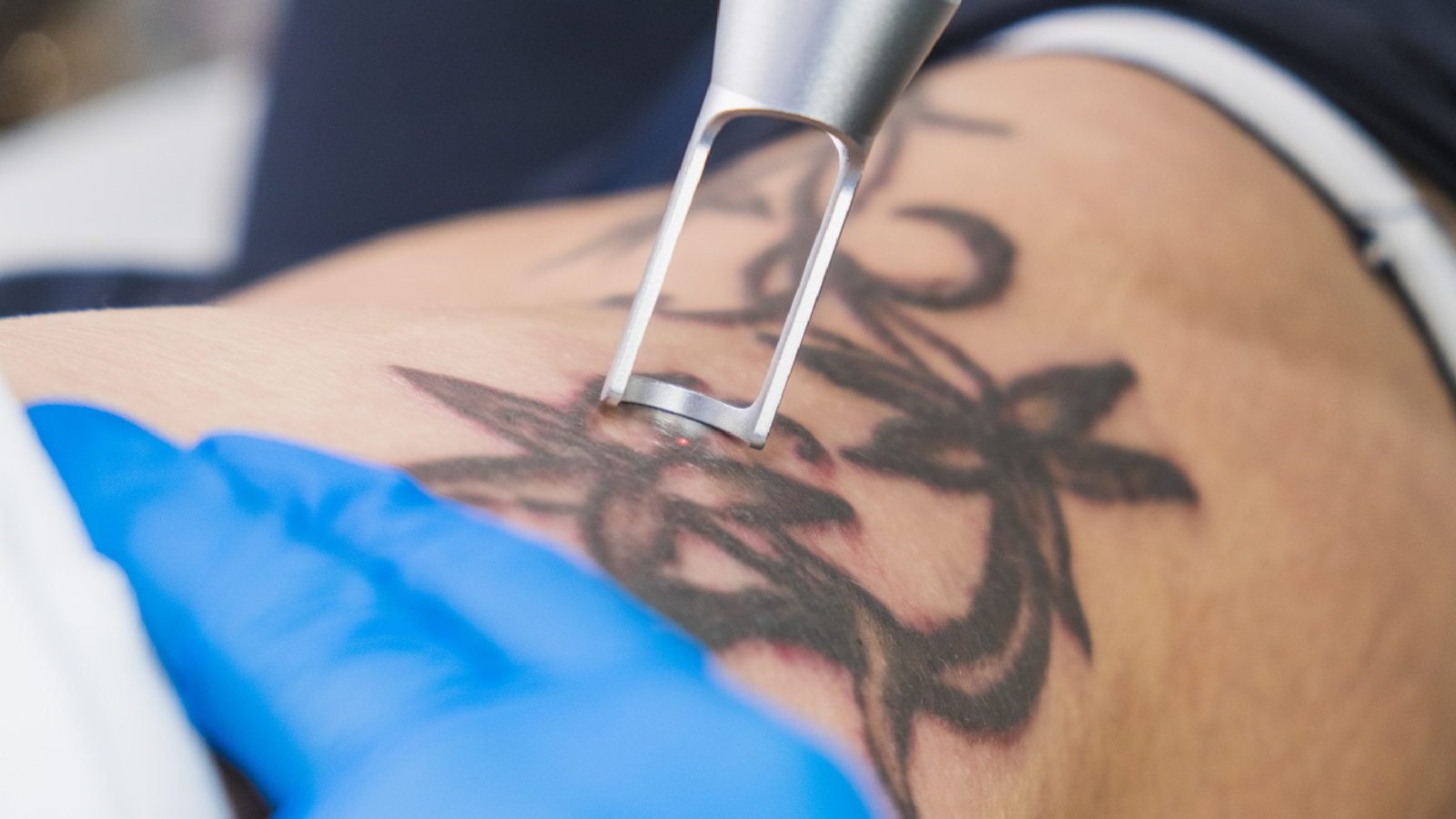
In today’s society, tattoos have become a popular form of self-expression. However, as life evolves, so do our preferences and identities. Many individuals find themselves wanting to erase their inked past for various reasons—whether it’s a change in personal beliefs, a shift in career paths, or simply a desire for a fresh start. If you’re considering Sydney laser tattoo removal, this comprehensive guide will walk you through the available options, what to expect, and the steps involved in the process.
Understanding Tattoo Removal
Tattoo removal is a process that can vary in complexity depending on the size, color, and location of the tattoo, as well as the method chosen for removal. It’s important to do thorough research and consult with professionals to determine the best approach for your specific situation.
Methods of Tattoo Removal
1.Laser Removal: This is the most common method for tattoo removal. It involves using high-intensity lasers to break down the ink particles in the skin. The body’s immune system then gradually eliminates these particles. Multiple sessions are typically required, and the process can be painful, often described as feeling similar to the original tattooing process.
2.Surgical Excision: For smaller tattoos, surgical excision can be an effective solution. A dermatologist or plastic surgeon will cut out the tattooed skin and stitch the remaining skin together. This method leaves a scar, so it’s best suited for tattoos that are small and not located in highly visible areas.
3.Dermabrasion: This method involves physically sanding down the skin to remove the tattoo. It’s less commonly used today due to the advancements in laser technology and the potential for significant scarring.
4.Chemical Peels: Some chemical solutions can be applied to the skin to help fade tattoos. However, this method is often less effective than laser removal and can result in skin irritation and discoloration.
5.Tattoo Removal Creams: Over-the-counter creams promise to fade and remove tattoos but are generally ineffective and can lead to skin damage. It’s advisable to approach these with caution and consult with a dermatologist before trying any topical solutions.
Preparing for Tattoo Removal
Before beginning the tattoo removal process, it’s essential to consult with a licensed professional who specializes in tattoo removal. They will assess your tattoo and discuss your medical history, expectations, and the best removal options available.
What to Expect During the Process
The tattoo removal process can be time-consuming and may require several sessions, depending on the method chosen and the size of the tattoo. It’s important to follow pre-treatment and post-treatment care instructions provided by your specialist to minimize risks and ensure optimal healing.
1.Pain Management: Depending on the method, pain management options may be available, such as topical anesthetics or cooling devices during laser sessions.
2.Aftercare: Post-treatment care is crucial for preventing infection and ensuring proper healing. This may include keeping the area clean, avoiding sun exposure, and using prescribed ointments.
Managing Expectations
It’s vital to have realistic expectations about the results of tattoo removal. While many tattoos can be significantly faded or removed completely, some residual shadowing may remain, especially with older tattoos or those with certain colors.
Conclusion
Erasing your inked past is a significant decision that requires careful consideration and planning. With various methods available, understanding the implications and committing to the process can lead to a positive outcome. If you find yourself yearning for a clean slate, tattoo removal might just be the step you need to embrace your evolving identity. Always prioritize safety and consult with qualified professionals to ensure the best results on your journey to a fresh start.