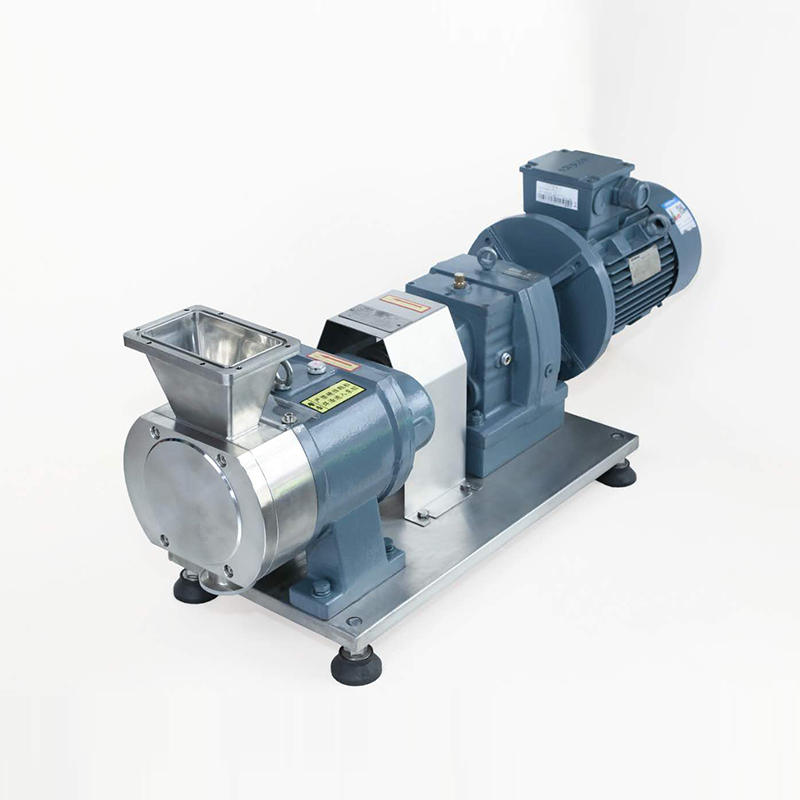
Lobe pumps are specialized rotary pumps designed for the efficient transfer of a wide range of fluids, particularly those that are viscous or contain solid particles. Known for their reliability and versatility, lobe pumps have become essential in various industries, including food processing, pharmaceuticals, and chemical manufacturing. This article delves into the intricacies of lobe pumps, their applications, benefits, and how they compare to other types of pumps.
What are Lobe Pumps?
Lobe pumps utilize two or more rotating lobes to move fluid through the pump chamber. The lobes are shaped like gears but do not touch each other, which allows for a gentle pumping action that minimizes shear stress on the fluid. As the lobes rotate, they create a vacuum that draws in the fluid and then pushes it out through the discharge port. This design is particularly effective for handling sensitive materials, such as food and pharmaceuticals, where maintaining the integrity of the product is crucial.
Applications of Lobe Pumps
Lobe pumps are incredibly versatile and can be found in various applications across multiple industries. In the food and beverage sector, they are used to transport high-viscosity products like chocolate, honey, and yogurt. Their gentle pumping action ensures that these products retain their quality during transfer. In pharmaceuticals, lobe pump are employed to handle delicate formulations, ensuring that active ingredients are not damaged during processing.
In the chemical industry, lobe pumps are ideal for moving corrosive or abrasive fluids. Their robust construction, often made from stainless steel, allows them to withstand harsh conditions while ensuring reliable performance. Additionally, lobe pumps are frequently used in the cosmetic industry to transport products such as lotions and creams, where precision and cleanliness are paramount.
Advantages of Using Lobe Pumps
One of the primary benefits of lobe pumps is their ability to handle a wide range of viscosities. Unlike centrifugal pumps that can struggle with thick fluids, lobe pumps maintain consistent flow rates, making them suitable for both low and high-viscosity materials. Furthermore, their design allows for easy cleaning, a critical factor in industries where hygiene is essential.
Lobe pumps also provide precise flow control, which is vital in applications that require accurate dosing. This level of precision helps minimize waste and ensures that formulations meet strict quality standards. Moreover, lobe pumps are energy-efficient, reducing operational costs over time while providing reliable performance.
Lobe Pumps vs. Other Pump Types
When comparing lobe pumps to other types of pumps, it is essential to consider their unique advantages. For instance, unlike centrifugal pumps, which rely on velocity to move fluids, lobe pumps utilize positive displacement, making them more effective for moving viscous materials. This characteristic also allows lobe pumps to maintain flow rates regardless of changes in pressure, a significant advantage in many applications.
Additionally, when compared to gear pumps, lobe pumps offer a gentler pumping action, which is crucial for sensitive materials. Gear pumps can create high shear forces that may damage delicate products. In contrast, lobe pumps minimize shear stress, making them a preferred choice for applications involving sensitive fluids.
How to Choose the Right Lobe Pump
Selecting the appropriate lobe pump for your application involves several considerations. First, assess the viscosity of the fluid you need to pump. Lobe pumps are available in various configurations to accommodate different viscosities, so understanding your material is key.
Next, consider the required flow rate and pressure. Lobe pumps can handle flow rates up to 100 m³/h, but choosing a pump that fits your specific needs is crucial for optimal performance. Additionally, consider the materials of construction. Stainless steel options, such as 316L and 304, are common in lobe pumps, offering durability and resistance to corrosion.
Finally, evaluate the cleaning and maintenance requirements of the pump. Industries with stringent hygiene standards require pumps that are easy to disassemble and clean. Many lobe pumps are designed with this in mind, offering features that facilitate quick and efficient maintenance.
Conclusion
In summary, lobe pumps are a vital component in various industries, providing reliable and efficient solutions for the transportation of viscous and sensitive materials. Their unique design allows for precise flow control while minimizing shear stress, making them ideal for applications in food, pharmaceuticals, chemicals, and cosmetics. When selecting a lobe pump, it is essential to consider factors such as viscosity, flow rate, and material construction to ensure optimal performance.
For those seeking high-quality lobe pumps, the Ace Rotary Lobe Pump stands out as a leading brand in China. With over 22 years of experience, Ace is dedicated to providing custom-made pumping solutions tailored to meet the specific needs of clients across multiple sectors. Their commitment to quality, reliability, and customer satisfaction positions them as a trusted partner for businesses requiring dependable pumping solutions.
For more information on lobe pumps and to explore a range of products, you can visit Ace Rotary Lobe Pump. Discover how their innovative designs can enhance your operational efficiency while ensuring the integrity of your products.