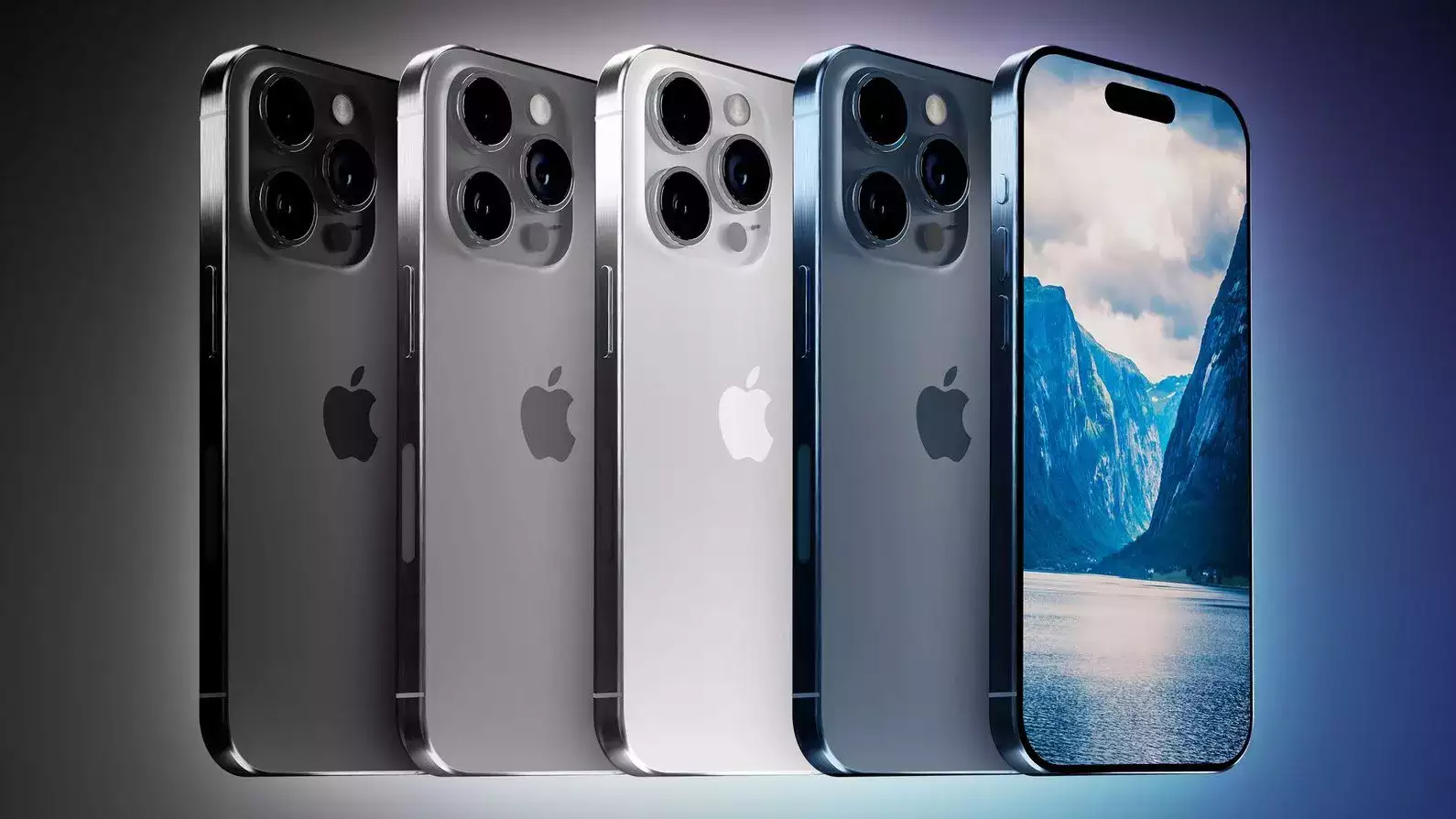
Since its groundbreaking release in 2007, the iPhone has subtly become a ubiquitous extension of the human hand, transforming how we communicate, capture moments, and interact with the digital world. This revolutionary device, birthed from Steve Jobs’ visionary mind, has continually set the standard for innovation, design, and technology in the smartphone industry. As we journey through the history of the iPhone, we will witness how it has evolved not just in technical specs, but culturally and socially, impacting users globally from a geek’s perspective.
The Birth of the iPhone
When Apple introduced the first iPhone, it ushered in a new era of mobile technology. It was a sleek combination of an iPod, a phone, and an internet communicator, all amalgamated into one device. This original iPhone, often referred to as the iPhone 2G, lacked many of the features we consider standard today, such as 3G connectivity and an App Store, but it laid the groundwork for what was to come.
Breaking New Grounds
The introduction of the iPhone wasn’t just about a new gadget; it represented a paradigm shift. The touch-based interface was groundbreaking, the interface seamlessly melding hardware and software in a way never before seen. It set a precedent for the industry and quickly captured the imaginations of tech enthusiasts and ordinary consumers alike.
The Rise of the App Store
The launch of the App Store in 2008 with the iPhone 3G was another pivotal moment. This transformation allowed developers to create third-party apps and opened a gateway to innovation and possibilities that further ingrained the iPhone into daily life. From productivity to gaming and social media to utilities, the App Store played a crucial role in making the iPhone more than just a phone.
The “There’s an App for That” Revolution
This phrase became synonymous with the versatility and expansive ecosystem of the iPhone. For tech geeks, this meant endless opportunities to personalize and optimize their devices according to their unique needs and interests. Apps like Instagram, Uber, and Candy Crush, starting small, soon became titans within the digital realm, largely because they found a home in the pockets of millions of iPhone users.
The Design Evolution
The iPhone’s design has gone through substantial transformations since its inception. From the introduction of the Retina Display with the iPhone 4, which provided one of the clearest and most vibrant displays at the time, to the bigger, sleeker designs of the iPhone 6 and beyond, every iteration has seen fanatical focus from a geek’s eye for detail and aesthetic pleasure.
Materials and Aesthetics
Apple’s commitment to high-quality materials like glass and aluminum underscored a relentless pursuit of aesthetic and ergonomic excellence. While the minimalistic design approach remained consistent, each new iPhone model brought refined enhancements, reflecting both technological advances and evolving consumer expectations.
Technological Advances
Beyond design and the App Store, the iPhone has continually been at the forefront of technical innovation. Features such as Face ID and Touch ID revolutionized security and user interaction, while the introduction of the A-series chips marked incredible processing power that competed with top-tier computing devices.
Camera Evolution
For many, the iPhone’s camera evolution has been particularly exciting. From a mere 2-megapixel camera in the original iPhone to its current iteration, which rivals professional photography equipment, the constant enhancements have captivated those fascinated by photography. With each release, Apple continues to redefine what is possible and expected of smartphone photography.
Sociocultural Impact
The iPhone’s influence extends well beyond technology; it has played a substantial role in shaping contemporary culture. It has altered how people communicate, consume media, and even manage their daily lives. Icons like the blue iMessage bubble have become a part of modern vernacular and communication practices.
Global Reach and Influence
Its global impact has prompted significant changes in telecommunication practices and internet culture. With features like FaceTime and social media integration, the iPhone has facilitated and democratized instant communication across the globe. For geeks, the iPhone has not only been a device but a symbol of connection and innovation.
A Geek’s Relationship with the iPhone
For geeks who have followed the iPhone’s development since its inception, the device represents more than just technology—it’s an evolution that parallels many changes in their own lives. These enthusiasts don’t just see an iPhone; they see a milestone of personal and technological achievement.
Devotion to Innovation
The iPhone’s journey is a testament to its devotion to consistently pushing boundaries, which resonates with those passionate about technology. For them, each keynote, update, and feature release reflects an exciting new wave of possibilities. This relationship extends to the broader Apple ecosystem, influencing other Apple products and innovations.
Conclusion
The iPhone has not only revolutionized the wireless communication industry but has also profoundly impacted the way society interacts with technology. Its relentless pursuit of innovation reflects the spirit of ingenuity that continues to inspire geeks and tech enthusiasts around the globe. As we contemplate the future, it’s clear that the iPhone will remain a critical axis in the wheel of technological advancement, simultaneously shaping and reacting to the ever-evolving digital landscape. Whether through developing groundbreaking features, maintaining a cutting-edge design, or influencing global culture, the iPhone’s legacy as a beacon of progress and a tool for personal empowerment is firmly established.